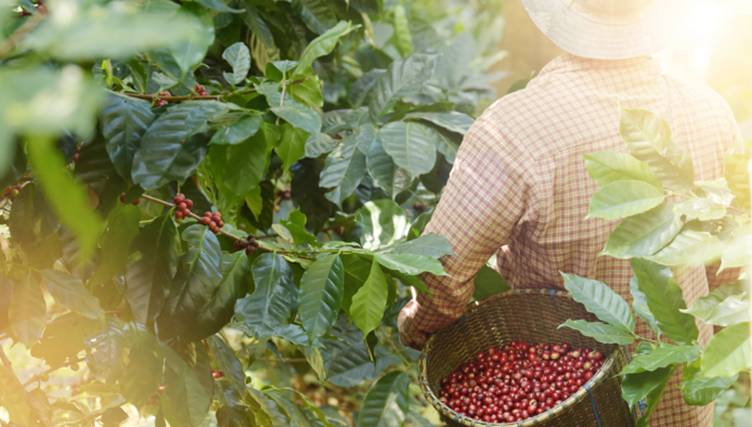
When most of us think about coffee, we imagine the rich aroma of freshly brewed beans, the comforting warmth of a morning cup, or maybe even that first energizing sip that sparks life into our day. Coffee is our ritual, our pick-me-up, our social connector. But here’s something most people don’t realize: coffee is a fruit.
Yes, you read that right. The beverage that fuels our mornings and fills our cafés with its irresistible scent actually begins its journey not as a bean from the earth, but as a bright, juicy cherry hanging from a tropical shrub.
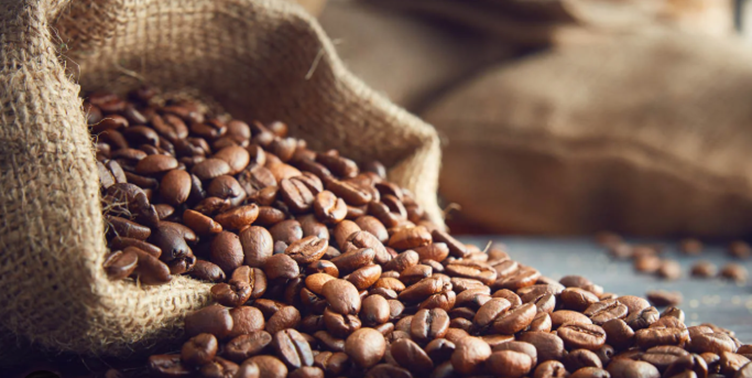
The Coffee Cherry: A Closer Look
So what exactly makes up a coffee cherry? Let’s break down its layers:
Skin (Exocarp) – This is the shiny, red outer layer of the cherry, smooth and thin like that of a grape.
Pulp (Mesocarp) – Underneath the skin lies the pulp, a sticky, sweet layer that surrounds the seeds.
Mucilage – A sugary, honey-like substance that adds complexity to the flavour during fermentation.
Parchment (Endocarp) – This papery shell encases each seed, protecting it during the drying process.
Silver Skin (Perisperm) – A delicate film that clings to the bean even after hulling.
Seeds (Coffee Beans) – The stars of the show, usually two per cherry, lying flat against each other.
Coffee has a process: washed nicely natural method or Honey method – Which influences its flavour so much.
Each method controls how much of the fruit’s sweetness and acidity end up in your cup. Hence Coffee Is a Fruit
The Coffee Cherry: A Closer Look
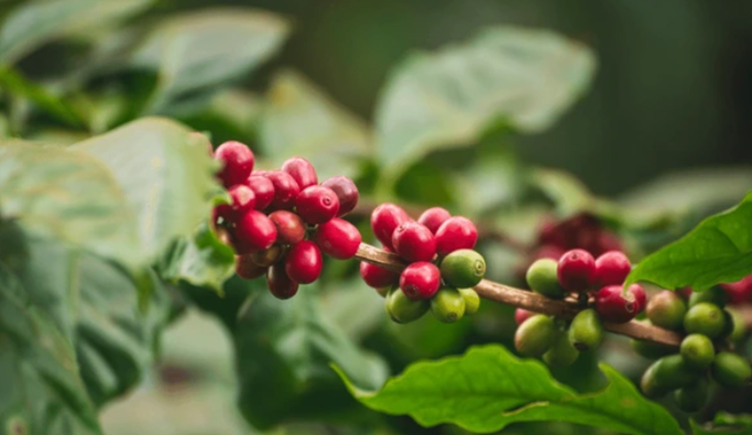
So what exactly makes up a coffee cherry? Let’s break down its layers:
Skin (Exocarp) – This is the shiny, red outer layer of the cherry, smooth and thin like that of a grape.
Pulp (Mesocarp) – Underneath the skin lies the pulp, a sticky, sweet layer that surrounds the seeds.
Mucilage – A sugary, honey-like substance that adds complexity to the flavor during fermentation.
Parchment (Endocarp) – This papery shell encases each seed, protecting it during the drying process.
Silver Skin (Perisperm) – A delicate film that clings to the bean even after hulling.
Seeds (Coffee Beans) – The stars of the show, usually two per cherry, lying flat against each other.
Coffee has a process : washed nicely natural method or Honey method – Which influences its flavour so much.
Each method controls how much of the fruit’s sweetness and acidity end up in your cup.
Nature’s Energy Drink
Here’s the fun part — since coffee is a fruit, it’s essentially nature’s energy drink. But instead of sipping it as juice, humans discovered a clever twist centuries ago: roast the seeds and brew them into a liquid that stimulates both the mind and spirit.
The caffeine that gives coffee its kick evolved naturally to protect the plant. Caffeine acts as a natural pesticide, deterring insects from munching on the leaves and cherries. For us, though, it’s a magical compound that boosts alertness, sharpens focus, and — let’s be honest — helps us survive Monday mornings.
It’s fascinating how something designed by nature to protect a fruit became humanity’s favorite source of energy.
A Sip Through History: From Cherry to Culture
The story of coffee’s discovery ties deeply to its fruity origins. Legend has it that in ancient Ethiopia, a goat herder named Kaldi noticed his goats acting unusually lively after nibbling on bright red berries from a mysterious bush. Curious, he tried the cherries himself — and the rest, as they say, is history.
Monks at a nearby monastery later brewed a drink from the seeds to stay awake during long prayers, unknowingly inventing the world’s first cup of coffee. From there, coffee spread across the Arabian Peninsula, Europe, and eventually the entire world — transforming from a fruit to a cultural phenomenon.